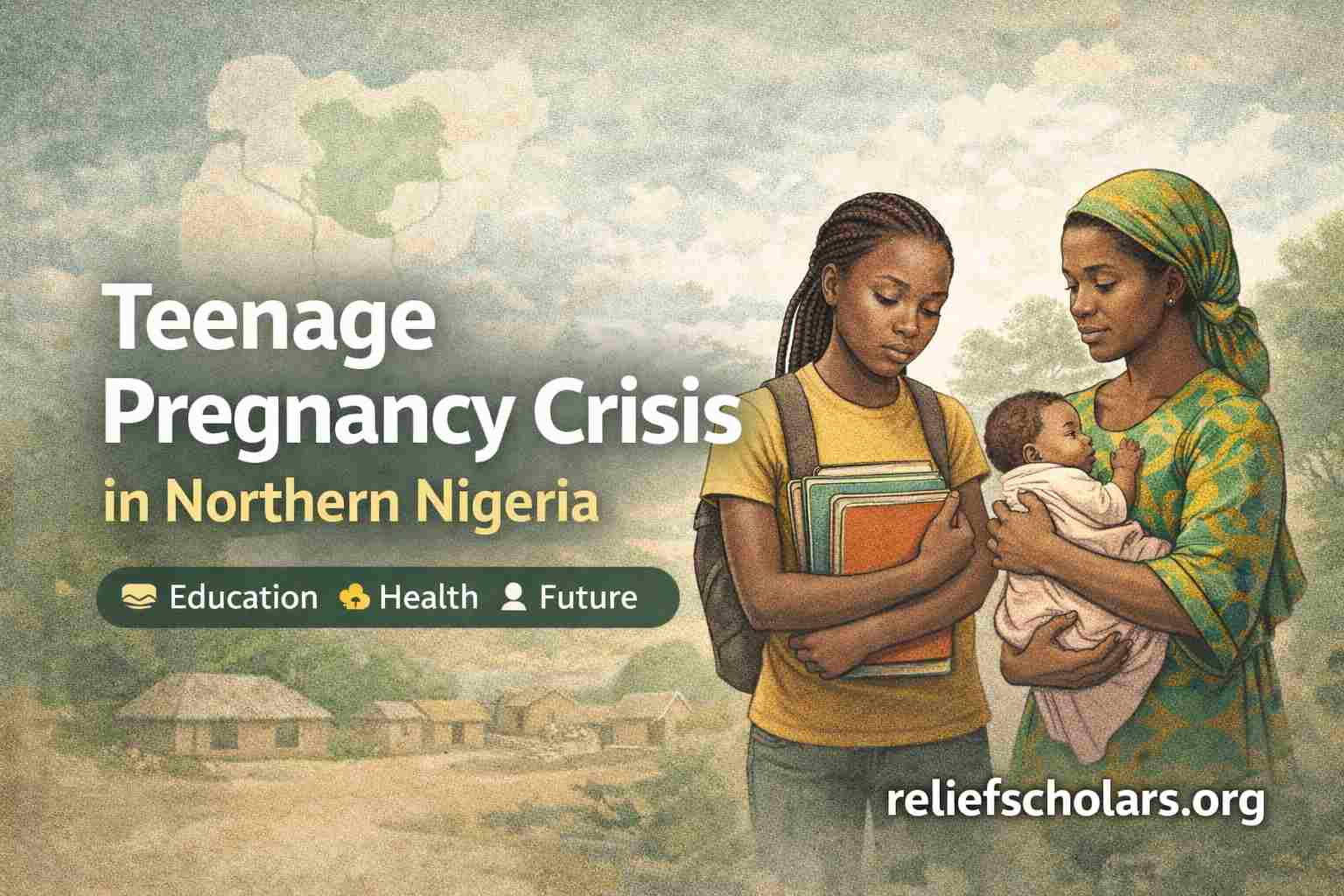
In many communities across northern Nigeria, thousands of teenage girls are becoming mothers long before they are ready. Behind the statistics are real lives, interrupted dreams, and young girls who suddenly face the responsibilities of adulthood while still children themselves.
Recent findings from Nigeria’s 2025 State of Health of the Nation Report reveal a troubling reality: teenage pregnancy remains significantly higher in northern states compared with other parts of the country. States such as Kebbi, Zamfara, and Kaduna recorded some of the highest rates of adolescent pregnancy in Nigeria.
According to the report, 32 percent of girls aged 15–19 in Kebbi State have been pregnant, while Zamfara and Kaduna each recorded around 30 percent. In contrast, southern states such as Lagos and Edo reported rates as low as three percent.
These numbers highlight not just a health challenge, but a deep humanitarian and social crisis affecting the lives, health, and futures of young girls across many communities.
Teenage pregnancy is more than a medical issue. It is closely connected to poverty, education, gender inequality, and access to healthcare. When young girls become mothers too early, it often affects their education, their health, and their opportunities for a better future.
Understanding why teenage pregnancy is rising in certain regions of Nigeria is the first step toward finding solutions that protect the well-being of adolescents and support healthier communities.
Understanding Teenage Pregnancy in Nigeria
Teenage pregnancy occurs when a girl between the ages of 13 and 19 becomes pregnant. In many cases, these pregnancies are unplanned and happen before a young girl is physically, emotionally, or financially prepared for motherhood.
In Nigeria, adolescent pregnancy remains a significant public health issue, especially in rural and underserved areas.
The Nigeria Demographic and Health Survey (NDHS) 2024 shows that teenage pregnancy rates vary widely across the country. While some urban states have made progress in reducing adolescent pregnancies, other regions continue to struggle with very high rates.
The northern regions of Nigeria, particularly the northwest and northeast, are among the areas most affected.
Several factors contribute to this situation, including limited access to education, early marriage practices, poverty, and inadequate reproductive health services.
For many young girls living in these regions, the path to adulthood comes much sooner than expected.
The Health Risks Facing Teenage Mothers
Teenage pregnancy carries serious health risks for both the mother and the baby.
Young girls are often not physically developed enough to safely carry a pregnancy, which increases the chances of complications during pregnancy and childbirth.
Some of the health risks associated with teenage pregnancy include:
- Higher risk of maternal mortality
- Complications during childbirth
- Increased risk of premature birth
- Low birth weight for newborn babies
- Higher chances of infant mortality
Adolescent mothers are also more likely to experience long-term health complications, including anemia and other pregnancy-related conditions.
Because many teenage mothers lack access to adequate healthcare services, these risks can become even more severe.
Read also:
Common Endemic Diseases in Nigeria 2026: Causes, Impact, Prevention & Public Health Response
Hunger Crisis in Northern Nigeria: Millions of Children Struggle With SevereMalnutrition
Neglected States in Nigeria 2026: Malnutrition Crisis and Urgent Needs After Assessment
Education as a Protective Shield
One of the strongest findings in the national health report is the clear relationship between education and teenage pregnancy.
The data shows that pregnancy rates among adolescent girls decrease significantly as education levels increase.
Among girls with no formal education, about 34 percent become pregnant during adolescence.
However, the rate drops dramatically among girls who continue their education beyond secondary school, where only about four percent experience teenage pregnancy.
Education plays a critical role in shaping life choices and opportunities. When girls remain in school, they gain knowledge, confidence, and greater control over their futures.
Schools also provide access to information about reproductive health, life skills, and personal development.
For many girls, staying in school is one of the most effective ways to prevent early pregnancy.
Poverty and Economic Hardship
Poverty remains one of the strongest drivers of teenage pregnancy in many communities.
Families struggling to survive often face difficult decisions that affect the lives of their children.
In some cases, young girls are forced to leave school because their families cannot afford educational expenses.
Without the structure and opportunities that school provides, adolescents become more vulnerable to early pregnancy.
Economic hardship can also lead to situations where teenage girls engage in relationships for financial support, increasing the risk of early pregnancy.
For many families, addressing poverty and improving economic opportunities is essential to protecting the health and future of young girls.
Early Marriage and Cultural Factors
In parts of northern Nigeria, early marriage remains a common practice.
Many girls are married during their teenage years, which naturally increases the likelihood of early pregnancy.
While early marriage is often influenced by cultural traditions and economic pressures, it can have serious consequences for young girls.
Girls who marry early often leave school and face responsibilities that limit their opportunities for education and personal development.
Early marriage also exposes young girls to health risks associated with early pregnancy and childbirth.
Addressing teenage pregnancy therefore requires engaging communities, traditional leaders, and families in conversations about the importance of education and the health risks of early motherhood.
Limited Access to Reproductive Health Services
Another major contributing factor to teenage pregnancy is limited access to adolescent-friendly healthcare services.
Many teenagers lack access to accurate information about reproductive health and family planning.
In some communities, discussions about sexual and reproductive health are considered sensitive or taboo, which prevents young people from receiving the guidance they need.
Healthcare facilities may also be far from rural communities, making it difficult for adolescents to access services such as counseling or family planning support.
To address this challenge, Nigeria has begun expanding adolescent-friendly services in primary healthcare centres.
These services aim to provide teenagers with safe spaces to receive information and support related to reproductive health.
Expanding Health Services for Adolescents
The 2025 State of Health of the Nation Report highlights efforts to strengthen healthcare services for adolescents.
The government has introduced initiatives to improve reproductive health outcomes among young people as part of broader efforts to achieve Universal Health Coverage (UHC).
These initiatives include:
- Strengthening primary healthcare systems
- Expanding community outreach programmes
- Providing adolescent-friendly health services
- Improving access to family planning and HIV prevention services
Healthcare workers are also being trained to provide counseling and support to adolescents in ways that are respectful and confidential.
These efforts aim to ensure that young people receive the guidance and services they need to make informed health decisions.
Community Health Workers and Local Support
Community health workers play an important role in improving adolescent health outcomes.
These workers often serve as a bridge between healthcare facilities and communities.
They provide counseling, education, and referrals for reproductive health services.
For adolescents living in remote areas, community health workers may be the first point of contact for health information and support.
By strengthening community health systems, Nigeria hopes to improve access to services that can prevent teenage pregnancy and support adolescent well-being.
The Importance of Safe and Healthy Environments
Improving adolescent health is not only about healthcare services. It also involves creating environments where young people can grow safely and confidently.
Programs focused on Water, Sanitation, and Hygiene (WASH) have been expanded in schools and communities to improve health conditions for adolescents.
These programs help reduce preventable diseases and promote healthier living conditions.
The report also highlights improvements in menstrual hygiene management, which plays an important role in supporting girls’ education and dignity.
According to the report:
- 95 percent of adolescent girls reported they could wash and change privately at home
- 94 percent said they use appropriate menstrual hygiene materials
These improvements help reduce stigma and support girls in staying in school.
Growing Concerns About Adolescent Mental Health
In addition to physical health challenges, the report raises concerns about the mental well-being of adolescents.
Young people in Nigeria face increasing pressures related to education, economic uncertainty, and social expectations.
The report highlights rising levels of substance abuse among adolescents, including the use of alcohol, tramadol, and cannabis.
These challenges can affect mental health and increase vulnerability to risky behaviors.
Adolescents aged 10–24 years make up about 32 percent of Nigeria’s population, meaning that their health and well-being have a significant impact on the country’s future.
Strengthening Mental Health Support for Youth
To address these challenges, Nigeria has begun integrating mental health services into broader healthcare programs.
National policies such as the National Policy on the Health and Development of Adolescents emphasize the importance of youth-friendly mental health services.
These policies focus on:
- Early intervention and prevention
- Reducing stigma around mental health
- Providing counseling services
- Supporting emotional well-being
Awareness campaigns during events such as World Mental Health Day and International Adolescent Health Week help bring attention to the importance of mental health among young people.
Partnerships Supporting Adolescent Health
Improving adolescent health requires collaboration across multiple sectors.
Government agencies, international organizations, and civil society groups are working together to address these challenges.
Key partners involved in these efforts include:
- The Federal Ministry of Health
- The National Drug Law Enforcement Agency (NDLEA)
- The World Health Organization (WHO)
- The United Nations Office on Drugs and Crime (UNODC)
- Local civil society organizations
These partnerships support programs that promote education, prevent substance abuse, and strengthen healthcare services for adolescents.
A Path Forward for Nigerian Girls
The challenge of teenage pregnancy in Nigeria is complex, but it is not impossible to address.
Solutions must focus on protecting the health, education, and rights of young girls.
Key priorities include:
- Keeping girls in school
- Expanding access to healthcare services
- Supporting families economically
- Promoting community awareness
- Strengthening youth empowerment programs
When girls are given the opportunity to learn, grow, and make informed decisions, they can shape their own futures and contribute to stronger communities.
Conclusion
Teenage pregnancy remains one of the most pressing challenges affecting adolescent health in Nigeria, particularly in northern regions where social and economic pressures are greatest.
Behind every statistic is a young girl whose future depends on the choices and support systems around her.
Addressing this crisis requires compassion, education, and collaboration across communities, healthcare systems, and government institutions.
By investing in the health and education of adolescents today, Nigeria can build a healthier, stronger future for generations to come.