NGO & Humanitarian Principles
Wishlist Share
Share Course
Page Link
Share On Social Media

About Course

The NGO & Humanitarian Principles course provides an in-depth understanding of the ethical foundations and professional standards that guide humanitarian and NGO operations worldwide.

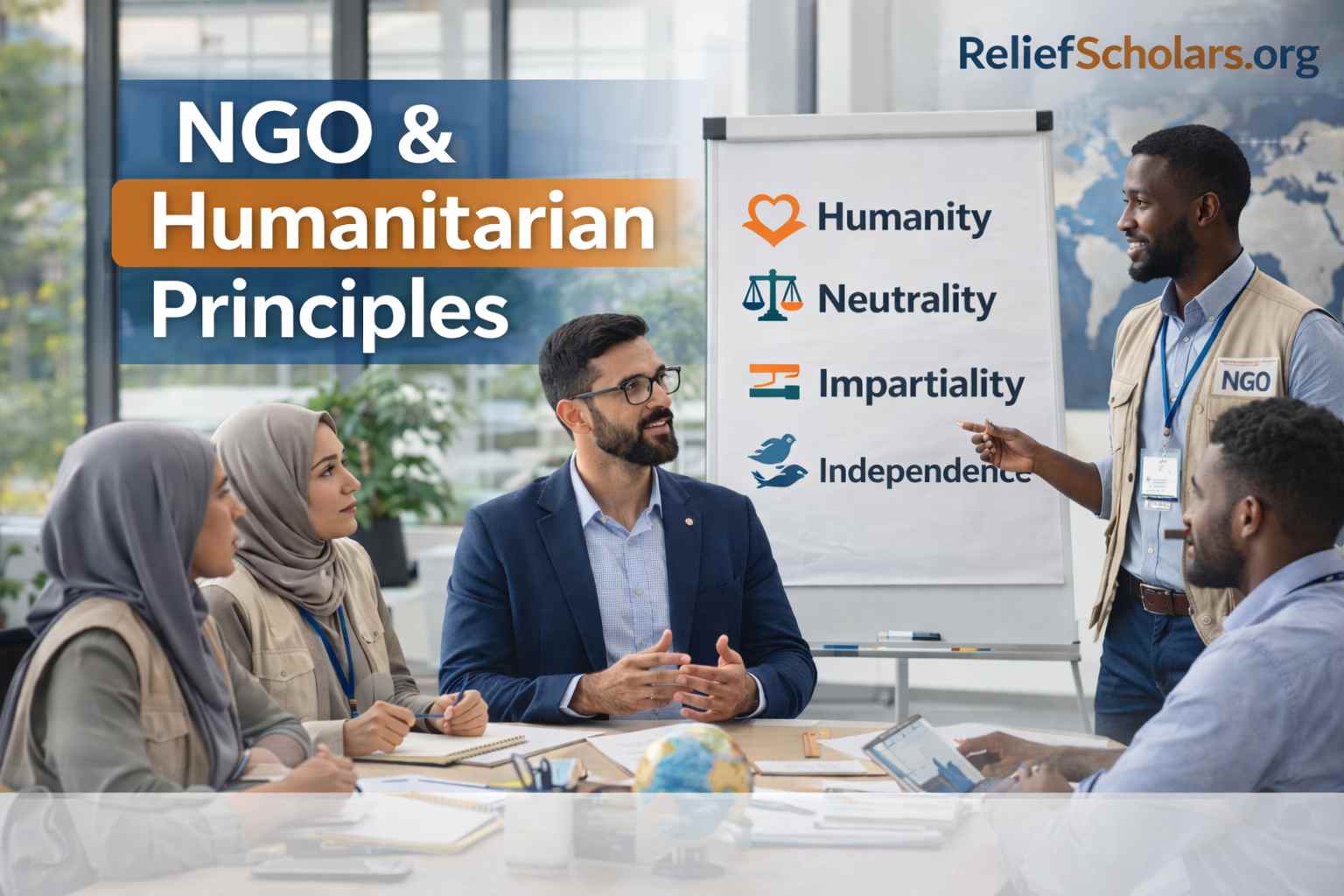
This course goes beyond theory to examine how principles such as Humanity, Neutrality, Impartiality, and Independence are applied in real-world humanitarian settings.

Learners will explore accountability systems, ethical dilemmas, codes of conduct, safeguarding standards, and responsible decision-making in complex crisis environments.

This course is designed to strengthen principled leadership and professional integrity in humanitarian and NGO work.

What Will You Learn?

  • Explain the four core humanitarian principles: Humanity, Neutrality, Impartiality, and Independence
  • Apply humanitarian principles in real-life NGO and field situations
  • Maintain neutrality and independence in politically sensitive environments
  • Identify ethical risks and respond using principled decision-making
  • Promote accountability and transparency in humanitarian programs
  • Understand and apply NGO codes of conduct and safeguarding standards
  • Analyze ethical dilemmas commonly faced in humanitarian operations
  • Strengthen professional integrity and responsible leadership practices

Course Content

Module 1: Foundations of Humanitarian Principles
Introduces the origin, purpose, and global relevance of humanitarian principles. Module Learning Outcomes Define humanitarian principles Explain their historical development Describe their relevance today

  • Origins of Humanitarian Principles
  • Why Principles Matter in Crisis Settings
  • Global Adoption of Humanitarian Standards

Module 2: Humanity and Impartiality
Examines the principles of humanity and impartiality in operational decision-making. Module Learning Outcomes Define humanity and impartiality Apply needs-based assistance Recognize discrimination risks

Module 3: Neutrality and Independence
Explores how organizations maintain neutrality and independence in politically sensitive contexts. Module Learning Outcomes Define neutrality and independence Identify political pressures Apply strategies to maintain independence

Module 4: NGO Values and Organizational Ethics
Explains the ethical standards and core values that guide NGOs beyond humanitarian principles. Module Learning Outcomes Distinguish between principles and organizational values Identify common ethical frameworks Apply ethical decision-making

Module 5: Accountability and Transparency
Focuses on accountability to affected populations, donors, and stakeholders. Module Learning Outcomes Define accountability mechanisms Understand transparency obligations Identify community feedback systems

Module 6: Codes of Conduct and Professional Standards
Introduces global codes of conduct and professional expectations for NGO staff. Module Learning Outcomes Explain the purpose of codes of conduct Identify key behavioral expectations Apply safeguarding standards

Module 7: Ethical Dilemmas in Humanitarian Work
Examines common ethical dilemmas and principled responses. Module Learning Outcomes Identify ethical dilemmas Analyze complex field situations Apply principled decision-making

Module 8: Risk, Power, and Responsibility
Explores power dynamics between organizations and communities. Module Learning Outcomes Understand power imbalances Recognize protection risks Promote responsible engagement

Module 9: Applying Humanitarian Principles in Practice
Consolidates learning through practical scenarios and case analysis. Module Learning Outcomes Apply principles to real scenarios Demonstrate ethical reasoning Prepare for principled leadership

Final Quiz Assessment
Instructions Answer all questions. Read each scenario carefully. Select the best answer for multiple-choice questions. Provide short, clear responses for scenario questions. Total Marks: 100 Passing Score: 70%

Student Ratings & Reviews

No Review Yet

No Review Yet